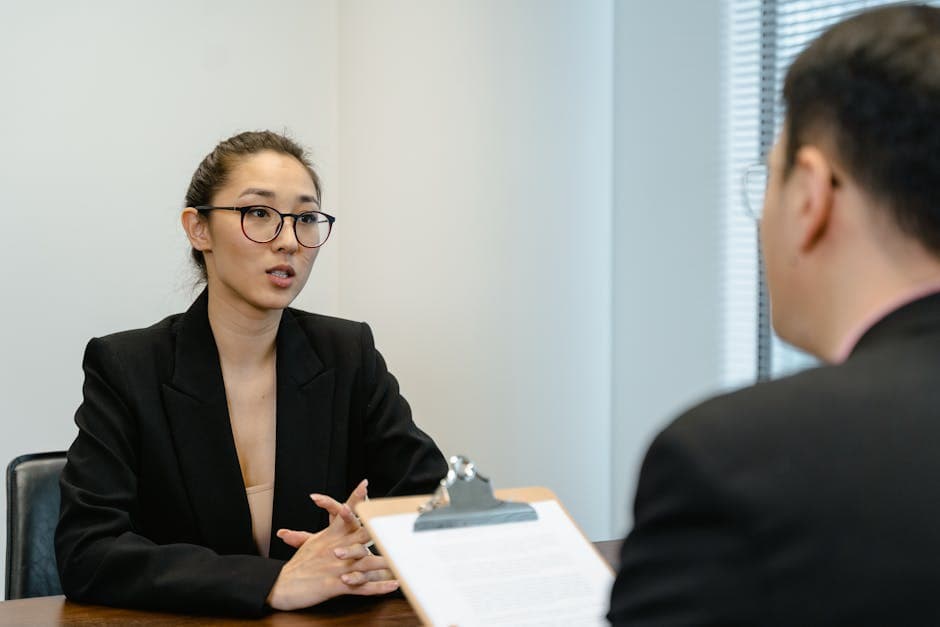
You should expect a Tesla Account Executive interview to feel less like a polished corporate sales screen and more like a test of whether you can sell with urgency, think on your feet, and represent a mission-driven brand without sounding scripted. Tesla tends to reward candidates who combine commercial sharpness, operational grit, and a genuine ability to explain complex products in simple terms. If you walk in with generic SaaS sales answers, you will likely sound unconvincing.
What This Interview Actually Tests
For an Account Executive role at Tesla, interviewers are usually trying to answer a handful of practical questions:
- Can you build trust quickly with skeptical buyers?
- Can you explain a product with both technical confidence and business clarity?
- Do you know how to create urgency without becoming pushy?
- Can you operate in a fast-moving environment where processes may be less polished than legacy companies?
- Are you energized by Tesla's mission, pace, and customer expectations?
Tesla sales interviews often evaluate more than closing ability. They may probe your understanding of:
- Consultative selling versus transactional pitching
- Objection handling around price, charging, range, or adoption risk
- Your ability to manage a pipeline using clear sales discipline
- Cross-functional communication with delivery, operations, and service teams
- Whether you genuinely want to work at Tesla specifically, not just any brand-name company
That last point matters. If you are also preparing for other big-name sales interviews, it helps to compare how different companies frame the AE role. MockRound's guides to Amazon Account Executive Interview Questions, Google Account Executive Interview Questions, and Apple Account Executive Interview Questions show how Tesla stands out: more intensity than Apple, less process-heavy than Amazon, and often more product-evangelist energy than Google.
What The Tesla Interview Process May Look Like
The exact sequence can vary by region and team, but many candidates should prepare for a process that includes:
- An initial recruiter or talent screen
- A hiring manager interview focused on sales results and motivation
- One or more deeper interviews around customer scenarios, objections, and metrics
- Possibly a role-play, presentation, or live problem-solving exercise
- Final conversations testing culture fit, resilience, and mission alignment
What To Emphasize In Each Stage
In the recruiter screen, focus on clear motivation, relevant sales background, and why Tesla makes sense for your career.
In the manager round, bring numbers. Be ready to discuss:
- Quota attainment
- Average deal size
- Sales cycle length
- Win rate
- New business versus expansion
- How you sourced, progressed, and closed deals
In scenario rounds, interviewers often care less about the perfect answer and more about whether you can structure your thinking under pressure. A simple framework like discovery -> alignment -> objection handling -> close -> next step can keep your answers grounded.
"When a customer hesitates, I slow the conversation down, confirm the real concern, and only then position the right solution."
If there is a role-play, assume they will watch for listening, not just talking. Many candidates fail because they rush into product pitching before they understand the buyer's constraints.
The Most Likely Tesla Account Executive Interview Questions
Here are the types of questions most likely to come up, along with what they are really testing.
Motivation And Company Fit
- Why do you want to work at Tesla?
- Why Tesla instead of another automotive or technology company?
- What do you understand about Tesla's products, customers, and mission?
- How do you handle working in a high-intensity environment?
What they want: specificity. Your answer should connect Tesla's mission, customer experience, product innovation, and your own selling style.
Sales Performance And Execution
- Walk me through your sales background.
- Tell me about your quota performance over the last few years.
- What is the hardest deal you have ever closed?
- How do you prioritize your pipeline?
- How do you balance inbound demand with proactive outreach?
What they want: evidence of repeatable sales discipline. You should sound like someone who knows exactly how they create revenue, not someone who got lucky on a few accounts.
Customer Discovery And Objection Handling
- How do you uncover a customer's true needs?
- How would you respond if a prospect said Tesla is too expensive?
- How do you handle customers who are interested but not ready to commit?
- Tell me about a time you changed a customer's mind.
What they want: a consultative seller who does not collapse into discounting or generic persuasion.
Collaboration And Operational Grit
- Describe a time you worked with operations or service teams to save a deal.
- Tell me about a time a process broke and you still had to deliver for the customer.
- How do you manage customer expectations when timelines change?
What they want: maturity, ownership, and the ability to protect the customer relationship even when conditions are imperfect.
Resilience And Adaptability
- Tell me about a time you missed quota.
- Describe a difficult customer interaction and how you handled it.
- How do you stay motivated after rejection?
- What feedback have you received that was hard to hear?
What they want: coachability, emotional control, and a bias toward action.
How To Answer Tesla Questions Without Sounding Generic
The strongest answers usually combine metrics, customer context, and decision-making. A simple STAR structure works well, but for sales interviews, make one small upgrade: end with the commercial result.
Use this sequence:
- Situation: Give enough context to frame the account or challenge.
- Task: Clarify your goal, quota pressure, or customer need.
- Action: Show your sales judgment, not just activity.
- Result: Quantify the business outcome.
- Lesson: Explain what you learned and how you improved.
For Tesla, your action step should often highlight one or more of these traits:
- Speed in follow-up and execution
- Strong product understanding
- Calm objection handling
- Cross-functional coordination
- Focus on the customer's decision criteria
"I don't treat objections as resistance by default. I treat them as missing clarity, missing urgency, or missing trust, and I adjust based on which one it is."
That kind of phrasing feels senior, practical, and customer-aware.
Sample Answers To High-Value Tesla Questions
Why Tesla?
A weak answer talks vaguely about innovation. A better answer ties your motivation to the role.
Strong answer structure:
- Admire the mission, but keep it grounded
- Mention the customer impact of the product
- Connect Tesla's pace to your work style
- Explain why your sales background fits this environment
Sample answer:
"I want to join Tesla because it sits at the intersection of product innovation, customer education, and real market transformation. What attracts me is not just the brand, but the challenge of helping customers make a high-consideration purchase with confidence. My best sales work has always happened when I could combine consultative discovery with strong product storytelling, and I think Tesla rewards exactly that mix."
Tell Me About A Time You Overcame A Tough Objection
Build this answer around the buyer's concern, your diagnosis, and your close.
Example approach:
- Customer objected on price
- You explored whether price was the real issue
- You uncovered uncertainty about total value or implementation
- You reframed around ROI, ownership cost, or use case fit
- You closed with a clear next step
If the role is consumer-facing, discuss how you handled hesitations around range, charging, timing, or budget. If it is more commercial, shift toward fleet efficiency, operating cost, or scalability.
Tell Me About A Time You Missed Target
This is where many candidates get defensive. Don't. Tesla interviewers often respect self-awareness more than spin.
A strong answer should include:
- The target you missed
- Why you missed it
- What was in your control
- What you changed after
- The improvement that followed
Avoid blaming territory, marketing, or leadership unless you also explain your own accountability.
The Sales Competencies Tesla Is Likely Looking For
If you want to sound credible, map your examples to the actual capabilities the role requires. For Tesla, that often includes:
- Customer obsession without excessive hand-holding
- Strong discovery and needs analysis
- Clear, persuasive communication
- Comfort explaining technical concepts simply
- Operational follow-through
- Ability to thrive amid ambiguity and change
- Personal accountability for outcomes
- Fast learning and visible coachability
How To Show These Competencies In Real Answers
Instead of saying, "I'm great with customers," say:
- "I increased conversion by tightening my follow-up sequence after first meetings."
- "I reduced drop-off by addressing implementation concerns earlier in discovery."
- "I partnered with operations to recover a delayed account and still closed the quarter at 104% of goal."
That is the pattern: behavior + decision + measurable outcome.
In a Tesla interview, concise precision beats polished fluff. If your answer sounds like a motivational speech, trim it. If it sounds like a real account review, you are closer.
Mistakes That Hurt Candidates In Tesla Sales Interviews
There are a few recurring mistakes that can quietly take a strong candidate out of contention.
Being Too Generic About The Company
If your Tesla answer could also fit BMW, Rivian, Apple, or any SaaS company, it is not specific enough. Know the products, customer mindset, and what makes Tesla's brand experience different.
Over-Talking And Under-Listening
Sales candidates often think energy equals quality. It does not. Interviewers notice when you answer past the question or fail to pause and structure your response.
Using Metrics Poorly
Numbers help only when they are clear. Do not dump random stats. Tie each metric to the story:
- What was the goal?
- What did you do?
- What changed?
Sounding Entitled About Brand Prestige
Tesla is a magnet brand. If you come across as wanting the logo more than the work, that is a red flag. Show respect for the executional intensity of the role.
Ignoring The Customer Education Piece
Tesla buyers may be excited, skeptical, or misinformed. Strong candidates show they can educate without condescension. That is a huge part of trust-building.
Related Interview Prep Resources
- Amazon Account Executive Interview Questions
- Google Account Executive Interview Questions
- Apple Account Executive Interview Questions

Practice this answer live
Jump into an AI simulation tailored to your specific resume and target job title in seconds.
Start SimulationA Smart 48-Hour Preparation Plan
If your interview is close, do not try to memorize 30 answers. Focus on a smaller set of stories and themes.
What To Prepare Tonight
- Write your Why Tesla answer in 4-5 sentences.
- Prepare 6 core stories:
- biggest win
- hardest objection
- missed target
- difficult customer
- cross-functional save
- feedback and improvement
- Gather your numbers: quota, attainment, deal size, win rate, cycle length.
- Review Tesla's products, customer journey, and likely objections.
- Practice concise answers out loud, not just in your head.
What To Practice Tomorrow
- A mock role-play with objection handling
- A 90-second career walk-through
- A tight answer to "Why Tesla?"
- One example that shows resilience under pressure
- One example that shows customer-first judgment
If you tend to ramble, time yourself. A strong behavioral answer often lands best in 60 to 120 seconds, unless the interviewer asks for more detail. If you want a realistic rehearsal, MockRound can help you pressure-test both behavioral and sales scenario answers before the real conversation.
FAQ
What Should I Research Before A Tesla Account Executive Interview?
Research Tesla's products, customer buying considerations, brand positioning, and sales experience. You do not need to become an engineer, but you should understand common buyer concerns like price sensitivity, charging access, vehicle range, delivery expectations, and ownership experience. Also study the role itself: is it more retail, inside sales, enterprise, or fleet-oriented? Your answers should match the actual sales motion.
How Technical Do My Answers Need To Be?
Technical enough to show confidence and credibility, but not so deep that you lose the customer perspective. For an Account Executive role, interviewers usually want to see that you can translate product details into buyer value. Think in terms of clear explanation, not jargon. If you use technical terms, make sure you can connect them to customer outcomes.
Does Tesla Care More About Closing Or Customer Experience?
It is rarely one or the other. Tesla is likely to value candidates who can close effectively while protecting the customer relationship. That means creating urgency, handling objections, and moving deals forward, but doing it with trust and clarity. If your style is overly aggressive, it may backfire. If your style is warm but commercially weak, that can also hurt you.
How Should I Answer If I Have Never Sold In Automotive?
Do not apologize for the industry gap. Instead, emphasize transferable sales skills: discovery, objection handling, complex decision support, follow-up discipline, and cross-functional coordination. Then show that you have done the homework to understand Tesla's buyer journey. The winning move is to sound adaptable and informed, not defensive.
What Makes Tesla Different From Other Big-Brand AE Interviews?
Tesla often feels more mission-driven, fast-paced, and execution-heavy than many traditional enterprise sales interviews. Compared with the frameworks you may see in the Amazon, Google, or Apple AE guides, Tesla can place more visible weight on energy, adaptability, and product conviction. You need structured answers, but you also need to sound like someone who can thrive when the environment gets demanding and the customer still expects excellence.

Career Strategist & Former Big Tech Lead
Priya led growth and product teams at a Fortune 50 tech company before pivoting to career coaching. She specialises in helping candidates translate complex work into compelling interview narratives.