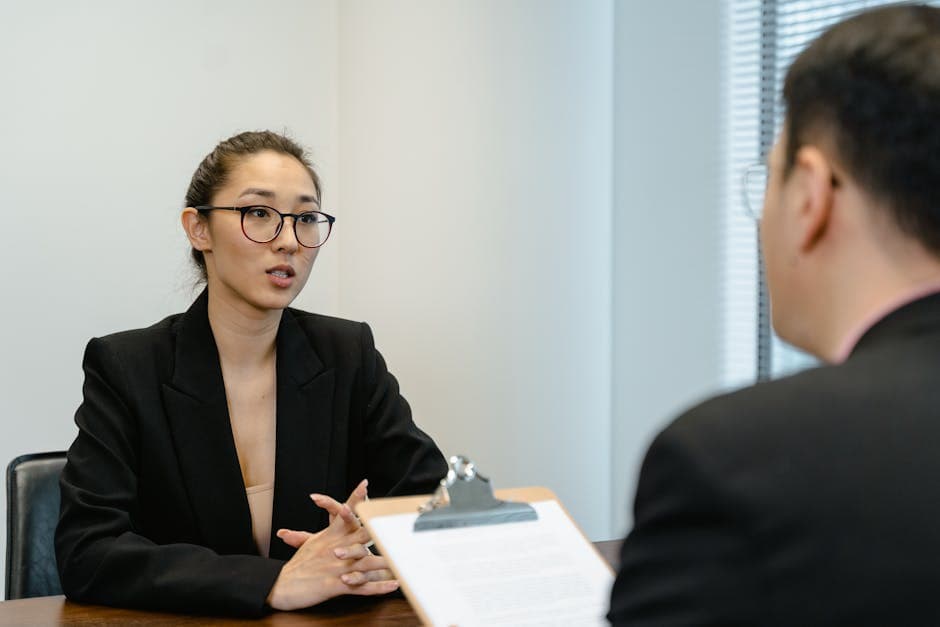
Tesla does not hire engineering managers to simply run standups and status updates. It looks for leaders who can drive execution under pressure, make technical calls with incomplete information, and push teams toward ambitious delivery targets without losing control of quality, safety, or accountability. If you are interviewing for a Tesla Engineering Manager role, expect questions that test speed, ownership, technical judgment, and operational rigor all at once.
What Tesla Is Really Testing
Tesla interview loops for engineering managers tend to go beyond generic people management questions. The company usually wants evidence that you can operate in an environment where urgency is real, priorities can shift quickly, and leaders are expected to stay close to the product, system, or manufacturing reality.
At a high level, interviewers are often screening for these traits:
- Deep technical credibility with engineers
- Bias for action without reckless decision-making
- Comfort with cross-functional conflict and escalation
- Ability to improve throughput, quality, and reliability
- Willingness to hold a high bar on accountability and performance
- Strong instinct for root cause analysis, not surface-level fixes
For an Engineering Manager, this means you should be ready to discuss both leadership stories and technical tradeoffs. In one round, you may be asked how you handled an underperforming senior engineer. In the next, you may need to explain how you would unblock a production bottleneck, reduce system latency, or recover a delayed launch.
If you have prepared for other big-tech EM interviews, some patterns will feel familiar. But Tesla usually places more emphasis on execution intensity and practical problem-solving than polished corporate language. If you want useful contrast, compare this with MockRound’s guides to the Amazon Engineering Manager Interview Questions, Google Engineering Manager Interview Questions, and Meta Engineering Manager Interview Questions. Tesla tends to reward candidates who sound closer to the work.
What The Interview Process Often Looks Like
The exact loop varies by team, but most Tesla Engineering Manager interviews include some mix of recruiter screening, hiring manager conversations, technical or domain deep-dives, leadership interviews, and cross-functional discussions.
A common structure looks like this:
- Recruiter screen focused on role fit, scope, location, and motivation
- Hiring manager interview covering leadership style, technical background, and execution history
- Technical deep-dive on systems, architecture, hardware, manufacturing, or process improvement depending on the team
- Behavioral rounds around conflict, performance management, speed, and ownership
- Cross-functional interviews with product, operations, manufacturing, quality, or partner teams
What makes Tesla different is that interviewers often probe for specific, measurable outcomes. They may ask:
- What exactly was broken?
- What metric moved?
- What tradeoff did you choose?
- Why did the team miss the deadline?
- What did you personally do versus what your team did?
That level of detail matters. Vague leadership answers usually fall flat.
"I inherited a team with low release predictability, so my first move was to identify where planning uncertainty was actually coming from: unclear requirements, unstable interfaces, or weak ownership. Then I changed the operating cadence based on that root cause."
That kind of answer signals structured thinking, ownership, and operating maturity.
The Core Tesla Engineering Manager Interview Questions
You should expect questions in four broad buckets: leadership, technical judgment, execution, and culture fit. Here are the most likely themes.
Leadership And Team Management
These questions test whether you can build and run a high-performance team:
- Tell me about your management style.
- How do you handle low performers?
- How do you coach strong engineers who disagree with you?
- How do you hire for a team under tight deadlines?
- Describe a time you had to reset team expectations after a miss.
- How do you create accountability without burning people out?
A strong answer should include:
- The context and scale of the team
- The specific leadership challenge
- The decision process you used
- The outcome, including team or business impact
- What you learned and changed afterward
Technical Depth And Decision-Making
Tesla usually expects Engineering Managers to remain technically sharp. You may not be coding daily, but you should still be able to evaluate architecture, tradeoffs, failure modes, and engineering risk.
Common questions include:
- Describe a major architectural decision you made.
- How do you balance speed versus reliability?
- Tell me about a production incident you led through.
- How do you know when to accept technical debt?
- What metrics do you use to assess system or process health?
- How do you debug a recurring failure with incomplete data?
Use frameworks like STAR for storytelling, but add technical substance. For decision questions, a simple structure works well:
- Define the problem and constraints
- Lay out the realistic options
- Explain the tradeoff analysis
- State the decision and why it was right then
- Share the measured result
Execution Under Pressure
This is one of the most important Tesla themes. Interviewers want proof that you can deliver in high-intensity environments without hiding behind process.
Expect questions like:
- Tell me about a time your team was behind on a critical milestone.
- How do you respond when priorities change suddenly?
- Describe a launch or ramp that went wrong.
- What do you do when one dependency blocks multiple teams?
- How do you make decisions when you do not have perfect information?
The trap here is sounding either chaotic or bureaucratic. Tesla generally wants leaders who can move fast, but with disciplined judgment.
How To Answer Tesla Questions Well
The best candidates sound direct, specific, and grounded in results. They do not over-polish. They also do not ramble.
Here is the answer formula that works well in Tesla EM interviews:
- Start with the stakes: what mattered and why it was urgent
- Clarify your scope: team size, system area, or operational responsibility
- Explain the problem diagnosis clearly
- Walk through the actions you led personally
- Quantify the result where possible
- End with the lesson and how it changed your management approach
For example, if asked about a missed deadline, avoid defensive language.
"We missed because our planning model assumed interface stability that we did not actually have. I should have forced an earlier integration checkpoint. After that, I changed the review cadence and added explicit dependency owners, which improved schedule accuracy in the next two releases."
That answer shows accountability without self-destruction. That balance is important.
A few communication rules matter a lot:
- Use plain English, not buzzword-heavy leadership talk
- Be honest about mistakes, but show corrective action
- Separate what you owned from what the team owned
- Keep technical explanations concrete enough for senior engineers
- Show that you can push for results and protect quality at the same time
Sample Tesla Engineering Manager Answers
Below are sample answer directions for some high-probability questions.
"Tell Me About A Time You Raised The Performance Bar"
A strong answer should show that you can identify weak standards, set clearer expectations, and follow through consistently.
Example structure:
- Team was shipping inconsistently and code review quality was uneven
- You identified that standards were implicit, not explicit
- You introduced clearer review criteria, ownership boundaries, and release readiness checks
- You coached leads and addressed repeated misses directly
- Result: improved predictability, fewer defects, and stronger engineer accountability
Focus on behavioral change, not just process changes.
"How Do You Handle Conflict Between Engineering And Another Function?"
Tesla values leaders who can resolve conflict with facts and urgency.
A good answer might include:
- A disagreement with product, operations, manufacturing, or quality
- The underlying issue was different definitions of risk or readiness
- You aligned on decision criteria, timeline impact, and customer or operational consequences
- You escalated only after narrowing the disagreement to a real decision point
- The outcome preserved speed while reducing avoidable failure
Interviewers want to hear that you do not turn every disagreement into politics.
"Describe A Difficult Technical Decision You Made As A Manager"
This is where many candidates become too abstract. Stay close to the engineering problem.
Good examples include:
- Rewrite versus incremental refactor
- Temporary workaround versus root-cause fix
- Manual operational patch versus automation investment
- Performance optimization versus feature deadline
Your answer should reveal engineering judgment, not just meeting facilitation.
The Biggest Mistakes Candidates Make
Even experienced managers can struggle in Tesla interviews because they answer as if they are interviewing at a slower-moving company. The most common mistakes are predictable.
Speaking In Generalities
If your answers are full of phrases like "we improved collaboration" or "I focus on empowering teams" without evidence, you will sound weak. Tesla interviewers usually want examples with sharp edges: deadlines, failures, constraints, tradeoffs, and outcomes.
Underplaying Technical Depth
Some EM candidates lean too hard on people management and avoid technical detail. That is risky. You do not need to act like an individual contributor, but you do need to demonstrate technical fluency and decision quality.
Sounding Process-Heavy
Process is useful, but Tesla tends to care more about whether your operating model actually removes bottlenecks and drives delivery. If every answer sounds like a ritual or framework, interviewers may doubt your adaptability.
Avoiding Accountability
Do not frame every miss as someone else’s problem. Strong candidates can say, "Here is where my judgment was wrong" and then explain what changed.
Confusing Intensity With Leadership
Tesla’s pace is demanding, but that does not mean glorifying chaos. The strongest answers show that you can create clarity, urgency, and high standards without losing control of the system or the team.
How To Prepare In The Final Week
Your prep should focus less on memorizing dozens of answers and more on building repeatable, high-detail stories.
Use this seven-step plan:
- Identify 8 to 10 core stories from your management experience
- Map them to themes: hiring, conflict, delivery, incident response, underperformance, architecture, influence, failure
- For each story, write the stakes, actions, metrics, and lesson in bullet form
- Prepare two technical deep-dives where you can discuss tradeoffs confidently
- Practice answering follow-up questions like why, what changed, and what would you do differently
- Study the team domain so your examples feel relevant to Tesla’s context
- Rehearse concise delivery out loud until your answers sound natural, not memorized
A practical prep checklist:
- Review your resume line by line for defensible detail
- Prepare examples involving speed and ambiguity
- Be ready to discuss metrics you used to manage performance
- Practice one story where you failed and recovered
- Prepare questions about team scope, technical challenges, and decision-making style
Related Interview Prep Resources
- Meta Engineering Manager Interview Questions
- Amazon Engineering Manager Interview Questions
- Google Engineering Manager Interview Questions

Practice this answer live
Jump into an AI simulation tailored to your specific resume and target job title in seconds.
Start SimulationIf you want a realistic rehearsal, practice with pressure. A Tesla EM interview often becomes difficult in the follow-up, not the first answer. MockRound can help you stress-test whether your examples hold up when an interviewer keeps digging.
Smart Questions To Ask Your Interviewers
Strong candidates do not end the interview with generic questions. Use your questions to show that you understand the role is about execution, technical leadership, and operating leverage.
Ask things like:
- What are the most important outcomes this manager needs to deliver in the first 6 to 12 months?
- Where does the team currently lose the most time: architecture, dependencies, hiring, testing, or operational instability?
- How much technical depth is expected from managers in day-to-day decisions?
- What separates top-performing managers here from average ones?
- How are cross-functional disagreements typically resolved when timelines are tight?
These questions signal seriousness and calibration. They also help you understand whether the role truly matches your strengths.
FAQ
How technical is a Tesla Engineering Manager interview?
Usually more technical than many general EM interviews. The exact depth depends on the team, but you should expect questions about architecture, tradeoffs, incident handling, quality, process bottlenecks, or domain-specific engineering problems. You do not need to perform like a full-time IC, but you should show that you can evaluate technical decisions credibly and challenge weak reasoning.
Does Tesla care more about leadership or execution?
It is rarely one or the other. Tesla tends to value leadership that produces visible execution results. That means coaching, hiring, prioritization, and accountability all matter, but they must connect to delivery, quality, cost, reliability, or speed. If your leadership examples do not show business or operational impact, they may feel incomplete.
What kind of stories should I prepare?
Prepare stories that show you can operate in high-stakes, fast-moving environments. Prioritize examples about recovering missed deadlines, making hard technical tradeoffs, managing conflict, raising team performance, fixing recurring failures, and driving alignment across functions. Your best stories should include clear constraints, your personal actions, and measurable outcomes.
How should I talk about failure in a Tesla interview?
Be direct. Pick a real example where your judgment, planning, or escalation could have been better. Then explain the impact, what you changed, and how that changed your operating model afterward. The goal is not to look perfect. The goal is to show ownership, learning speed, and stronger judgment after the mistake.
Is Tesla different from Amazon, Google, or Meta for Engineering Manager interviews?
Yes. There is overlap in leadership, execution, and technical evaluation, but Tesla often feels more centered on urgency, practical problem-solving, and operational intensity. Compared with peers, answers that are too polished, theoretical, or process-heavy may be less effective. The strongest candidates come across as hands-on, decisive, and deeply accountable.

Leadership Coach & ex-Mag 7 Product Manager
Marcus managed cross-functional product teams at a Mag 7 company for eight years before becoming a leadership coach. He focuses on helping senior ICs navigate the transition to management.